
News · Markets · US
'Nobody Knows Anything' About Markets, says Investment Guru Barry Ritholtz
Barry Ritholtz has a blunt message for investors: Stop pretending you can see the future and start admitting what you don't know.
Barry Ritholtz has a blunt message for investors: Stop pretending you can see the future and start admitting what you don't know.
"Most of us are pretty misinformed about the present," Ritholtz said on the “Trillions” podcast with Bloomberg Eric Balchunas and Joel Weber. "What we recall are mostly rose-tinged nostalgia in the past. And what we're looking for is one part guesswork, one-part wishful thinking," the co-founder, chairman, and chief investment officer of Ritholtz Wealth Management, with about US$3.35 billion in assets under management according to hedgefollow.com, said.
Ritholtz was sharing his contrarian philosophy while promoting his new book--"How Not to Invest." Rather than offering the typical playbook of what to do with money, Ritholtz argues investors should focus on avoiding common mistakes—starting with the illusion that anyone can consistently predict market movements.
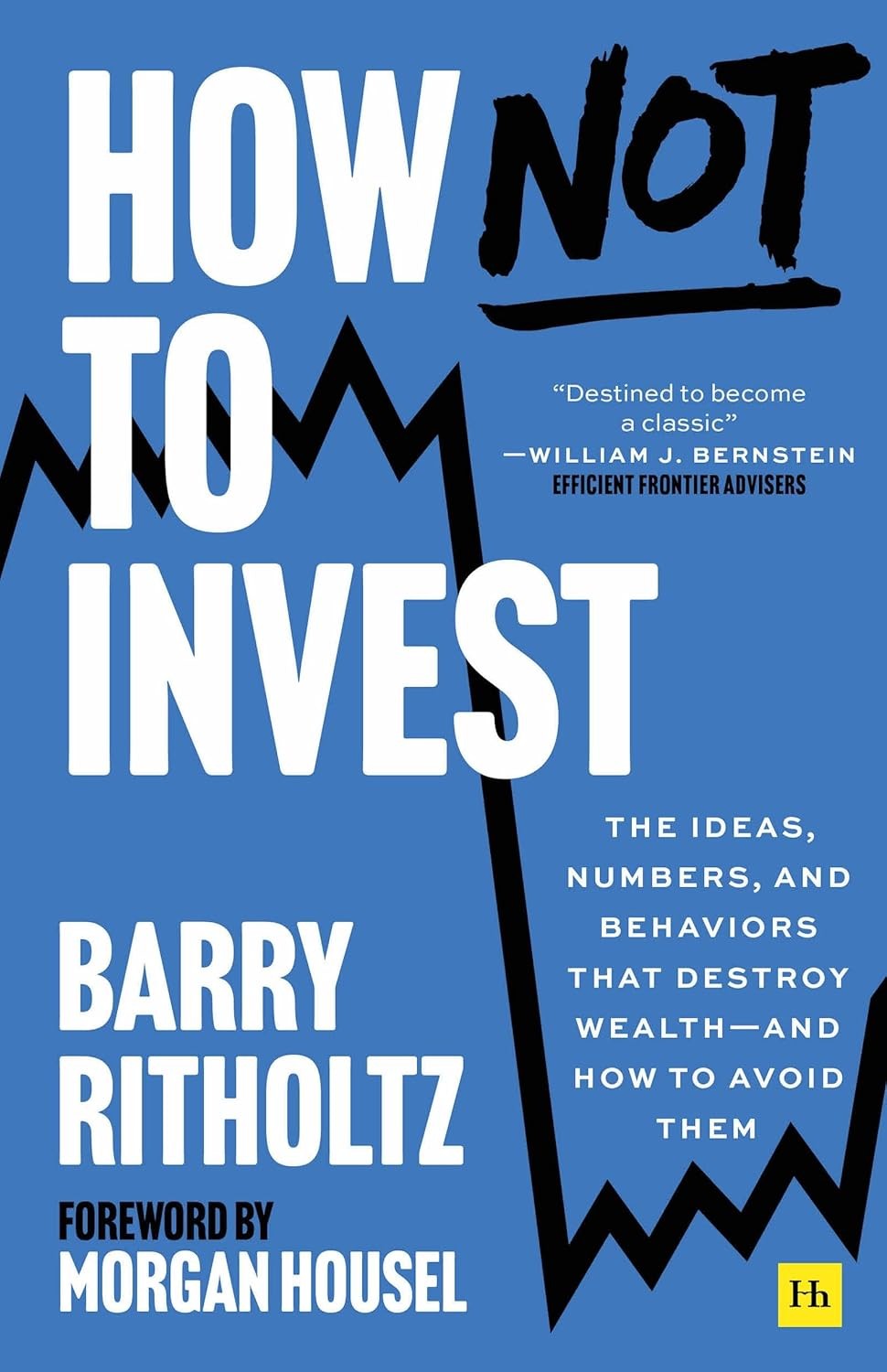
His central thesis challenges a core assumption of Wall Street: that expertise translates into market-beating returns. Instead, Ritholtz advocates for what he calls the three most important words in investing: "I don't know."
Eating the humble pie
Ritholtz's skepticism toward market forecasting stems from observing repeated failures across industries to predict breakout successes. He cites how Hollywood studios passed on blockbusters like "Raiders of the Lost Ark," "Star Wars," and "E.T.," while Netflix "Squid Game" couldn't get funding for about a decade despite becoming a global phenomenon.
"If your investing requires you to see the future, you're in trouble," he said, noting that virtually no one predicted the 2020 pandemic, the 2022 simultaneous decline in stocks and bonds, or geopolitical events like Russia's invasion of Ukraine.
"If your investing requires you to see the future, you're in trouble." - Barry Ritholtz
Ritholtz’s claims may have some substance.
Professional investment managers struggle to outperform market indices over extended periods, studies have shown. According to S&P Dow Jones Indices' SPIVA scorecard, roughly 80% of large-cap equity funds underperformed the S&P 500 over the past 15 years.
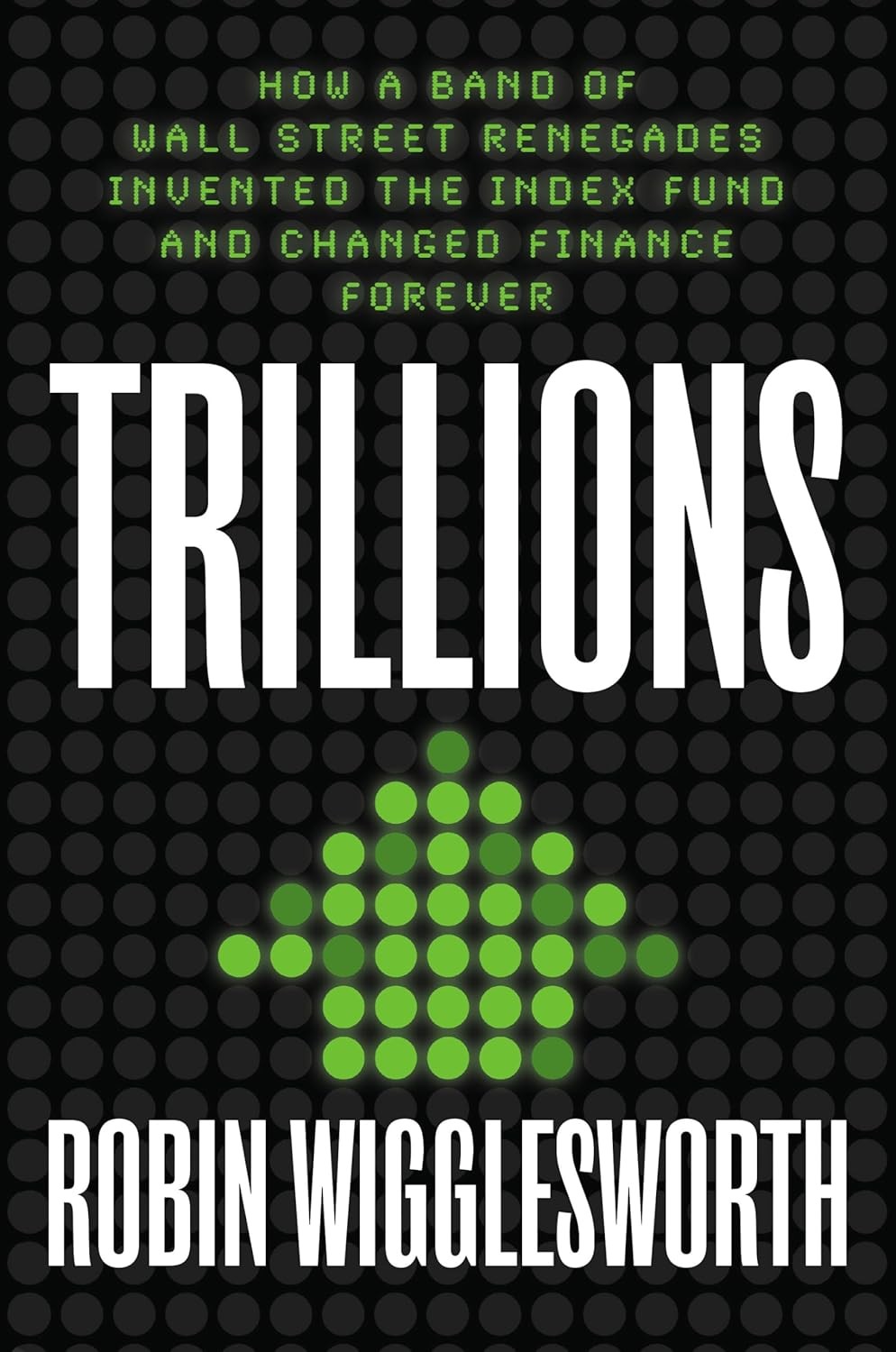
In 2007, Warren Buffett famously bet US$1 million that a simple, no-frills S&P 500 index fund could beat a selection of hand-picked hedge funds over 10 years. He comfortably won the wager. Over the decade, the Vanguard S&P 500 Index Fund, which he selected, returned an astounding 125.8% compared to the 2.8% to 87.7% earned by funds managed by hedge fund managers. While you are at it, do give a “Buffett’s bet of the century,” a read. Written by the Financial Times brilliant Robin Wigglesworth, it is an “adapted, slightly Alphavillainised” version of the first chapter of Trillions, Wigglesworth’s book on passive investing.
As for Ritholtz, his wealth management firm advocates index fund investing as a portfolio's core holding, representing 50% to 60% of assets, with targeted investments in specific sectors or regions serving as "ornaments" around that foundation.
Why Buffett watches financial media on mute
A significant portion of Ritholtz's critique targets financial media, which he argues produces largely "ephemeral" content with short shelf lives. He particularly criticizes what he terms "denominator blindness"—presenting alarming statistics without proper context.
His example: When a company announces 10,000 layoffs, the impact depends entirely on the company's size. For a 30,000-employee regional firm, that represents a devastating 33% workforce reduction. But for Walmart, a global retail behemoth with some 2.1 million employees, it amounts to routine turnover affecting roughly one person per five stores.
"Nobody's going to read the headline 'Point oh 1% of Walmart's employees were let go,'" Ritholtz said. "But 10,000 people fired at Walmart is a big headline."
This critique extends to market reporting, where he notes the Dow Jones losing "500 points" could represent either a normal half-percent daily move or a catastrophic 10% decline, depending on the underlying index values.
The King Dollar is Dead, Long Live the Dollar
Perhaps Ritholtz's most provocative stance targets a common refrain among cryptocurrency and gold advocates: that the dollar has lost 96% of its purchasing power over the past century. He calls this "the most misleading claim in all of finance."
His counterargument centers on the dollar's intended function as a medium of exchange rather than a store of value. Using the example from the 1990 movie "Home Alone," where the main character buys US$20.52 worth of groceries, Ritholtz notes the same items would cost about US$57 today—but median wages have increased roughly 110% of the grocery price increase over the same period.
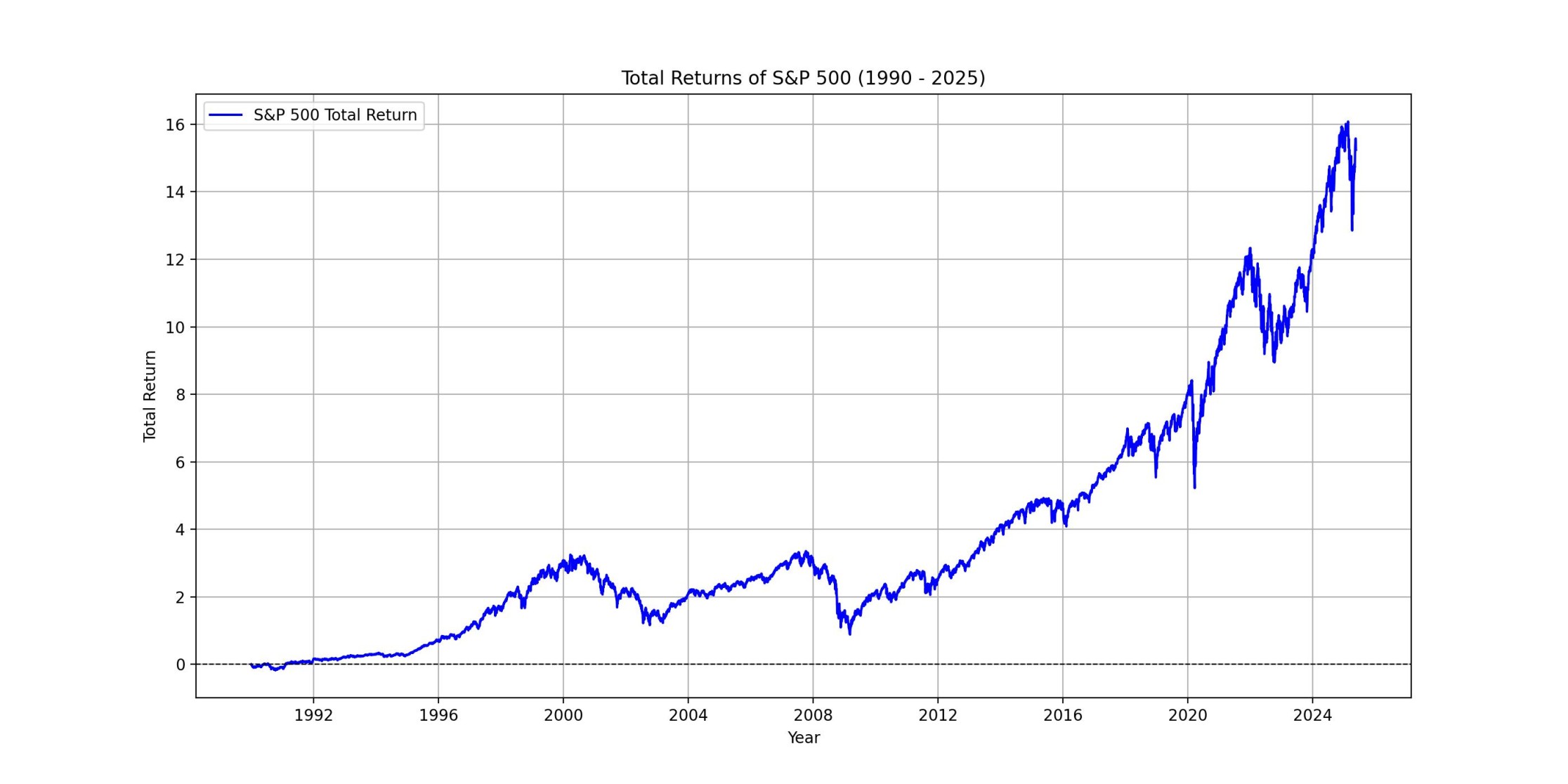
More importantly, he argues, someone investing that US$20.52 in the S&P 500 in 1990 would have seen returns far exceeding both inflation and grocery costs, reaching into six figures today.
This position puts Ritholtz at odds with hard money advocates who view fiat currency inflation as wealth confiscation. However, his argument reflects mainstream economic thinking that moderate inflation encourages productive investment rather than hoarding cash.
The Passive Revolution
Ritholtz attributes the massive flow of money into passive index funds—what he and his colleagues call "the Vanguard put"—to investor fatigue with Wall Street scandals and underperformance. He traces this shift to the post-2008 financial crisis period, when retail investors metaphorically "took their ball and went home."
"It felt like Mom and Pop took their ball and went home. And by ball I mean money, and by home I mean Vanguard," he said.
This observation is supported by Investment Company Institute's data showing that passive equity funds have consistently attracted net inflows while active funds have experienced outflows in recent years. The passive investing trend has fundamentally altered market dynamics, creating what Ritholtz calls a "relentless bid" for broad market exposure.
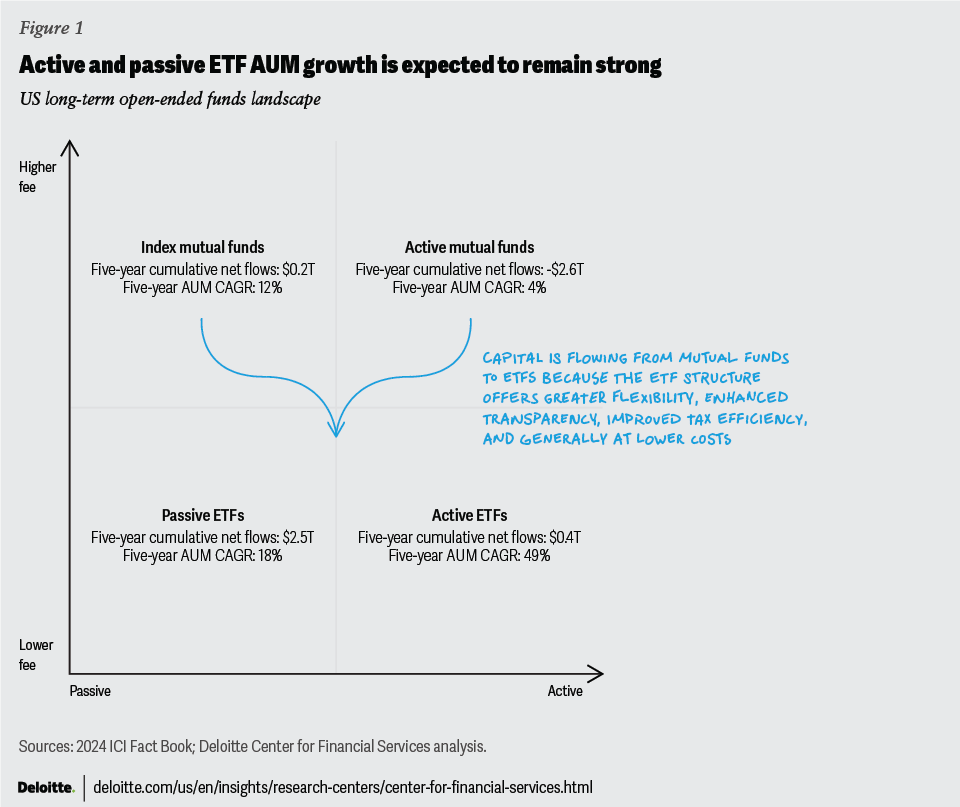
Over the preceding decade, long-term mutual funds in the United States observed a net outflow of US$2.9 trillion, according to the Deloitte Center for Financial Services. In contrast, exchange-traded funds (ETFs) registered net inflows totaling US$4.5 trillion during the same period, the center’s Doug Dannemiller and Mohak Bhuta, CFA said. While passive ETFs captured the majority of these net inflows, active ETF inflows demonstrated a more rapid rate of growth from a comparatively smaller initial value. Active ETF net inflows represented approximately 26% of total ETF net inflows in 2024, marking a significant increase from just 1% a decade prior, they said.
ETFs typically offer lower expense ratios than mutual funds with analogous mandates, noted Dannemiller and Bhuta. This disparity in expense ratios is particularly evident for actively managed funds compared to passively managed funds. On average, actively managed equity and bond ETFs exhibit expense ratios that are 22 basis points and 11 basis points lower, respectively, than their actively managed mutual fund counterparts. A sector where ETFs have not yet achieved widespread adoption is the US defined contribution (DC) plan, which currently holds over US$5 trillion invested in mutual funds. Notwithstanding this, active mutual funds experienced substantial net outflows, aggregating US$4.0 trillion over the past decade.
Beyond the Crystal Ball
When it comes to Ritholtz, his philosophy extends beyond investing to broader decision-making. He advocates intellectual humility across domains, criticizing the tendency for financial experts to opine on subjects outside their expertise—what philosophers call "epistemic trespass."
"You're not obligated to have an opinion on everything," he said, comparing investment patience to Warren Buffett's baseball analogy where investors can wait indefinitely for the right pitch without penalty.
"You're not obligated to have an opinion on everything." - Barry Ritholtz
This approach represents a marked departure from Wall Street's traditional confidence-projecting culture, where admitting uncertainty is often seen as weakness rather than wisdom.
Ritholtz's message comes at a time when traditional market prediction models face unprecedented challenges. The 2020-2024 period has featured extreme volatility, meme stock phenomena, cryptocurrency adoption, and policy responses that have defied many expert forecasts. The investment industry continues grappling with the tension between client demands for market insights and the mounting evidence that such insights rarely translate into superior returns.
Whether investors will embrace such humility in practice remains an open question—one that, true to his philosophy, Ritholtz would likely answer with those three crucial words: "I don't know."
About the cover photo: Chen Wei Seng of Malaysia won the first prize in the Sports Action Single category of the World Press Photo Contest in 2013 with this picture of a jockey showing relief and joy at the end of a dangerous run across rice fields during the Pacu Jawi bull race in Batu Sangkar, West Sumatra, taken on February 12, 2012.